

How do i start a blog in 2026
How do i start a blog: The Reality Most Bloggers Don’t Want to Accept Let’s get this straight. new blogger working late night to grow blog in India
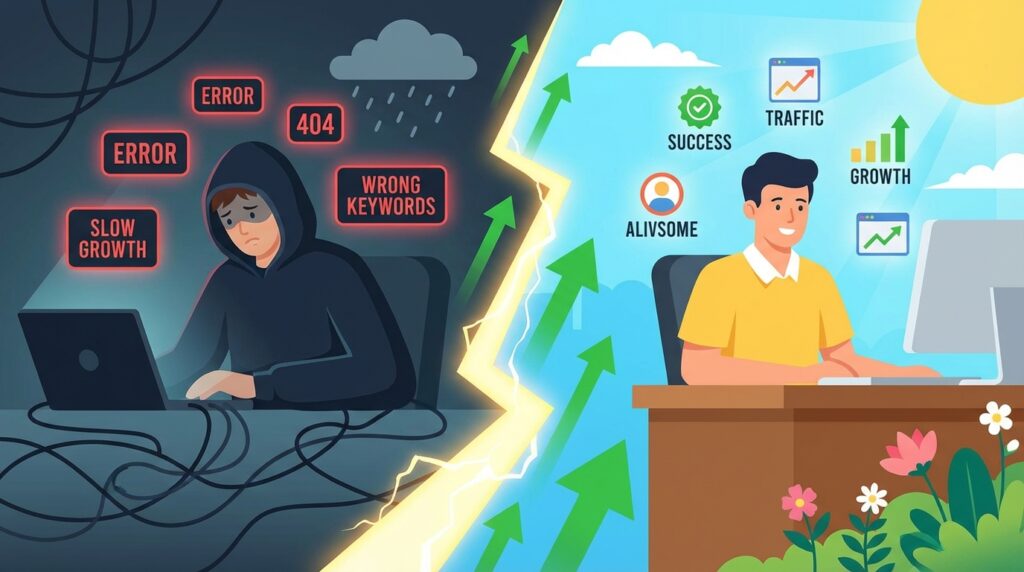
Most bloggers in India don’t fail because blogging is hard. They fail because they follow slow, outdated, comfort-zone strategies.

They:
- Write 1–2 articles per week
- Target high-volume keywords
- Wait months for results
And then complain: “Traffic nahi aa raha.”
That approach is broken.

I tested a different approach — and the result was simple:
👉 New domain + zero backlinks + 25 days = 20K+ daily traffic
No luck. No hacks. Just execution.
My Starting Point (No Advantage, No Authority)
Let’s remove any illusion first.
- Domain: Completely new
- Backlinks: Zero
- Authority: 0
- Budget: Almost nothing
Niche Selection (This Is Where Most People Go Wrong)
I didn’t choose “tech” in a broad sense.
I chose:
👉 Problem-solving micro-tech niche
Not:
- Mobile reviews
- “Top 10 apps”
- News
Instead:

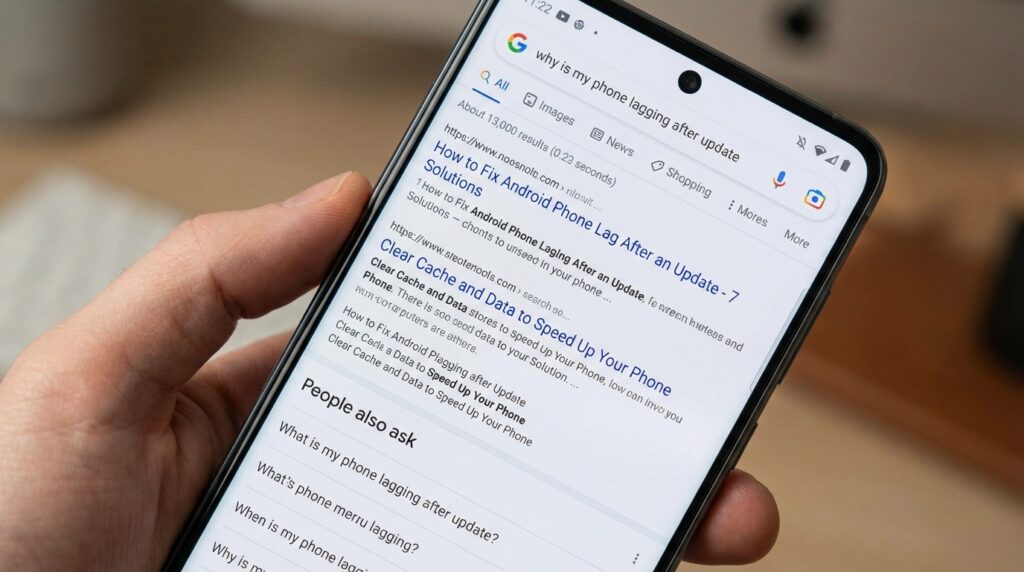
- “Why is my phone lagging after update”
- “Tablet scrolling slow fix”
- “App crash problem solution”
👉 These are high intent, low competition keywords
That’s the difference.
Traffic Growth Breakdown (What Actually Happened)

This wasn’t linear. And that’s important.
Phase 1 (Day 1–5)
Traffic: 0–50/day
This is where almost everyone gets mentally destroyed.
You’ve published articles. You’ve done the work. But when you open your analytics — nothing. Maybe a few random clicks, maybe zero.
And your brain starts playing games:
“Is this even working?”
“Did I choose the wrong niche?”
“Maybe blogging is saturated…”
Reality check:
Nothing is wrong.
Google hasn’t fully discovered or trusted your content yet. Your pages are still being crawled, indexed, and tested. This phase feels like failure — but it’s actually just invisible progress.
Most people quit here not because they failed, but because they expected results too early.
Phase 2 (Day 6–10)
Traffic: 100–500/day
Now things start moving — slightly.
You’ll notice impressions increasing. Some pages start getting indexed properly. A few keywords begin to appear somewhere on page 2 or 3.
It’s not impressive yet. But it’s a signal.
This is where discipline matters.
Because the growth is still slow enough to make you doubt, but fast enough to reward consistency.
If you slow down here, you kill momentum.
If you continue publishing, you multiply your chances.
Phase 3 (Day 11–15)
Traffic: 1K–3K/day
Now you finally start seeing something real.
A few of your articles break into page 1. Not all — just a handful. But that’s enough.
Traffic jumps. Notifications feel real. You start thinking:
“Okay… this might actually work.”
And here’s the important part:
It’s not one article carrying you.
It’s the combined effect of multiple pieces ranking together.
This is where your earlier consistency starts paying off.
Phase 4 (Day 16–20)
Traffic: 5K–10K/day
Now you’re no longer guessing — you’re scaling.
Multiple articles are ranking at the same time. Different keywords, different problems, all bringing traffic together.
This creates a compounding effect.
One article brings 200 visits.
Another brings 500.
Another brings 1K.
Suddenly, you’re not relying on a single win — you’ve built a system.
And this is where most beginners get it wrong:
They try to create one “perfect” article.
But growth doesn’t come from one hit.
It comes from volume + accuracy + timing.
Phase 5 (Day 21–25)
Traffic: 15K–20K+/day
This is the “spike” everyone talks about — but almost no one reaches.
Because by the time it comes, most people have already quit.
At this stage:
- Google trusts your site more
- Indexing becomes faster
- New content ranks quicker
- Existing articles climb higher
Everything starts working faster and easier.
It feels like growth suddenly exploded.
But in reality, it’s the delayed result of everything you did earlier.
The Exact Strategy That Worked (No Fluff)
This is the core. Miss this, and nothing else matters.
1. Problem-Based Keyword Targeting
I didn’t chase volume.
I chased problems people are actively facing.
Example:
- ❌ “Best smartphones in India”
- ✅ “Phone lag after update fix”
Why this works:
- Low competition
- High intent
- Immediate need
👉 Google prioritizes solutions over information
2. Long-Tail Keyword Domination
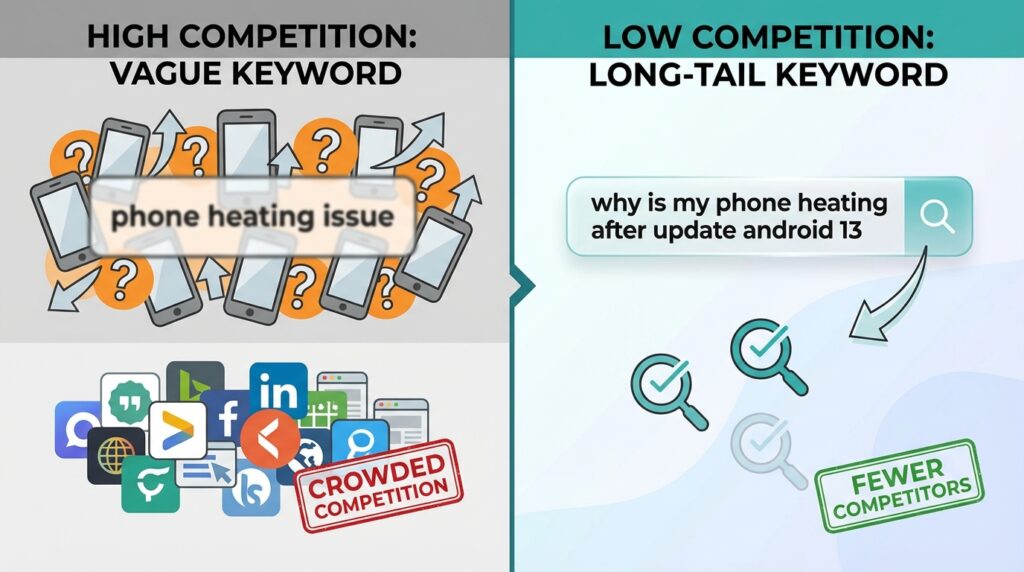
Every article targeted one specific query.
No mixing.
No confusion.
Example:
- “why is my phone heating after update android 13”
- Not: “phone heating issue”
👉 Specific = easier ranking
3. Fresh Content Advantage (Underrated Weapon)
This is where most bloggers are blind.
I targeted:
- New bugs
- New updates
- New issues
👉 Before big sites even notice them
Result:
- Less competition
- Faster ranking
Timing matters more than people think.
4. How do i start a blog
👉 30 articles in 25 days
Most bloggers:
- Overthink
- Delay publishing
- Aim for perfection
I did the opposite:
- Publish fast
- Improve later
Why it worked:
- Faster indexing
- More keyword coverage
- Higher probability of ranking
👉 Blogging is partly a numbers game — accept it.
5. Direct Answer Content Style
No long intros.
No storytelling fluff.
Each article:
- Problem
- Immediate solution
- Steps
- Done
👉 Matches exactly what user wants
Google rewards this.
Users stay → bounce rate low → rankings improve.
What Works vs What Doesn’t (Brutal Truth)
✅ What Works
- Speed over perfection
- Long-tail keywords
- Problem-solving content
- Publishing consistently
- Simple SEO (not overcomplicated)
❌ What Doesn’t
- Waiting for backlinks
- Writing “ultimate guides” on day 1
- Targeting high competition keywords
- Copying competitors
- Using 10 SEO tools but no execution
👉 Most bloggers are busy learning instead of doing.
Step-by-Step Action Plan (Steal This)
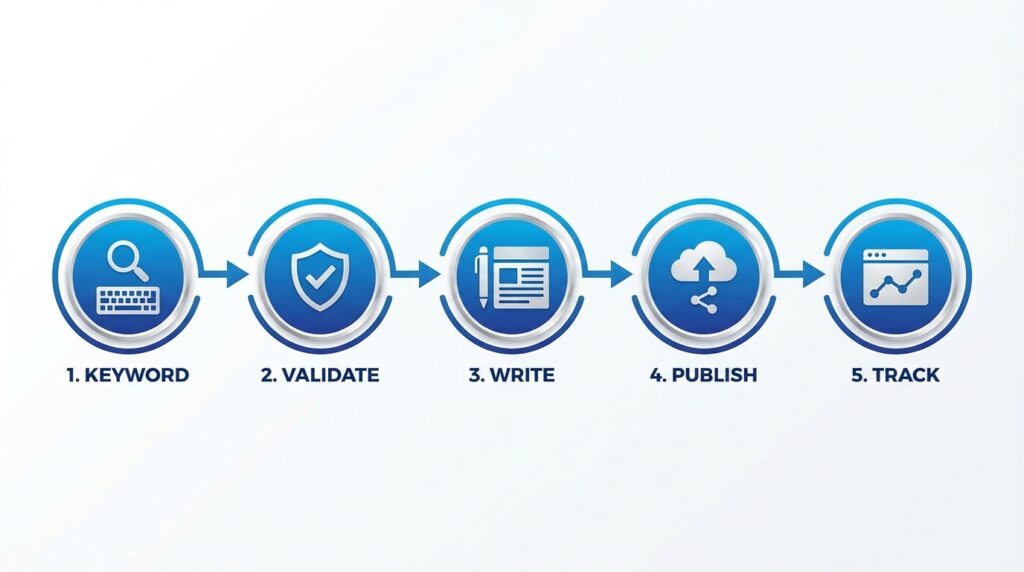
If you want similar results, follow this — not your own random plan.
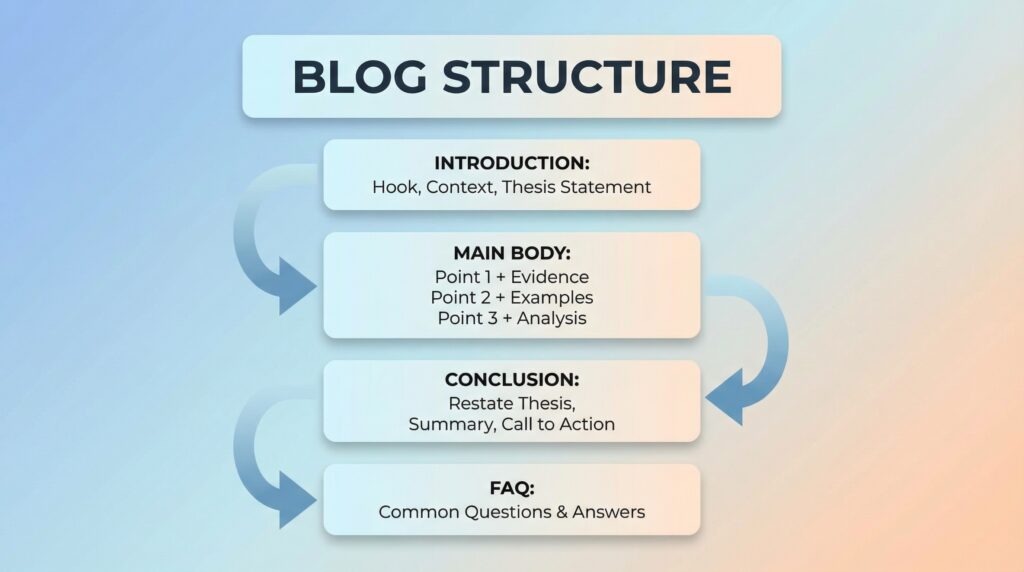
Step 1: Find 30 Problem-Based Keywords
Use:
- Google search suggestions
- “People also ask”
- Forums
Look for:
👉 “how to fix”, “why is”, “not working”
Step 2: Validate Keyword
Ask:
- Is this a real problem?
- Is competition low?
- Are results weak?
If yes → go ahead.
Step 3: Write Direct Solution Article
Structure:
- Problem explanation
- Immediate fix
- Step-by-step solution
- Extra tips
👉 No unnecessary content.
Step 4: Publish Aggressively
Target:
👉 1–2 articles per day minimum
Consistency matters more than perfection.
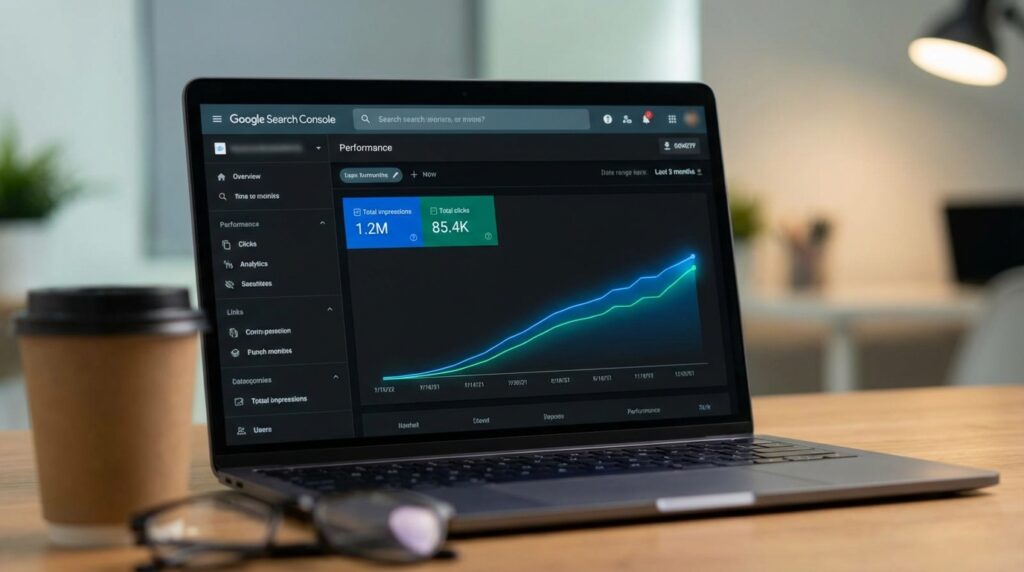
Step 5: Use Google Search Console
Track:
- Indexing
- Impressions
- Clicks
Optimize based on data.
Biggest Mistakes Bloggers Make (You’re Probably Doing This)
Let’s be real.
You’re likely making at least one of these:
- Writing without keyword intent
- Posting randomly
- Targeting competitive topics
- Waiting instead of publishing
- Expecting fast results with slow work
👉 Fix these or stay stuck.
How do i start a blog (Case Study Summary)

- New blog
- 30 articles
- 25 days
- 20K daily traffic
Worked because of:
👉 Speed + Intent + Timing
Remove one → results drop.
FAQs
How long does it take to get traffic on a new blog in India?
If done right, you can start seeing traffic in 7–10 days and significant growth within 25–30 days.
Can I rank a blog without backlinks?
Yes — if you target low competition, long-tail, problem-based keywords.
How many articles should I publish for faster growth?
At least 20–30 articles in the first month for noticeable traction.
Which niche is best for fast blogging growth?
Problem-solving niches (tech fixes, errors, troubleshooting) perform fastest.
Do I need paid tools to grow a blog?
No. Google + Search Console is enough if used properly.
How do i start a blog
If you read this and still:
- Post once a week
- Target broad keywords
- Wait for perfection
👉 You will not grow.
Simple
But if you execute this properly: